Lubrication of moving parts
Rollers, hinges, bearings and the spring assembly are cleaned where needed and lubricated with a product suited to door hardware. Dry, gritty rollers are one of the most common reasons a door turns loud.
Most doors give warning before they quit. A tune-up from an independent provider checks balance, moving parts, hardware and the opener's safety settings, so a worn part is found while it is still a small job.
A garage door in San Antonio can run through thousands of open-and-close cycles a year when the garage is the family's main entrance. Rollers, hinges and bearings wear at that pace, and the long, hot summers here dry out the rubber seal along the bottom of the door. A scheduled visit is simply a chance to catch that wear before a part breaks at an inconvenient hour.
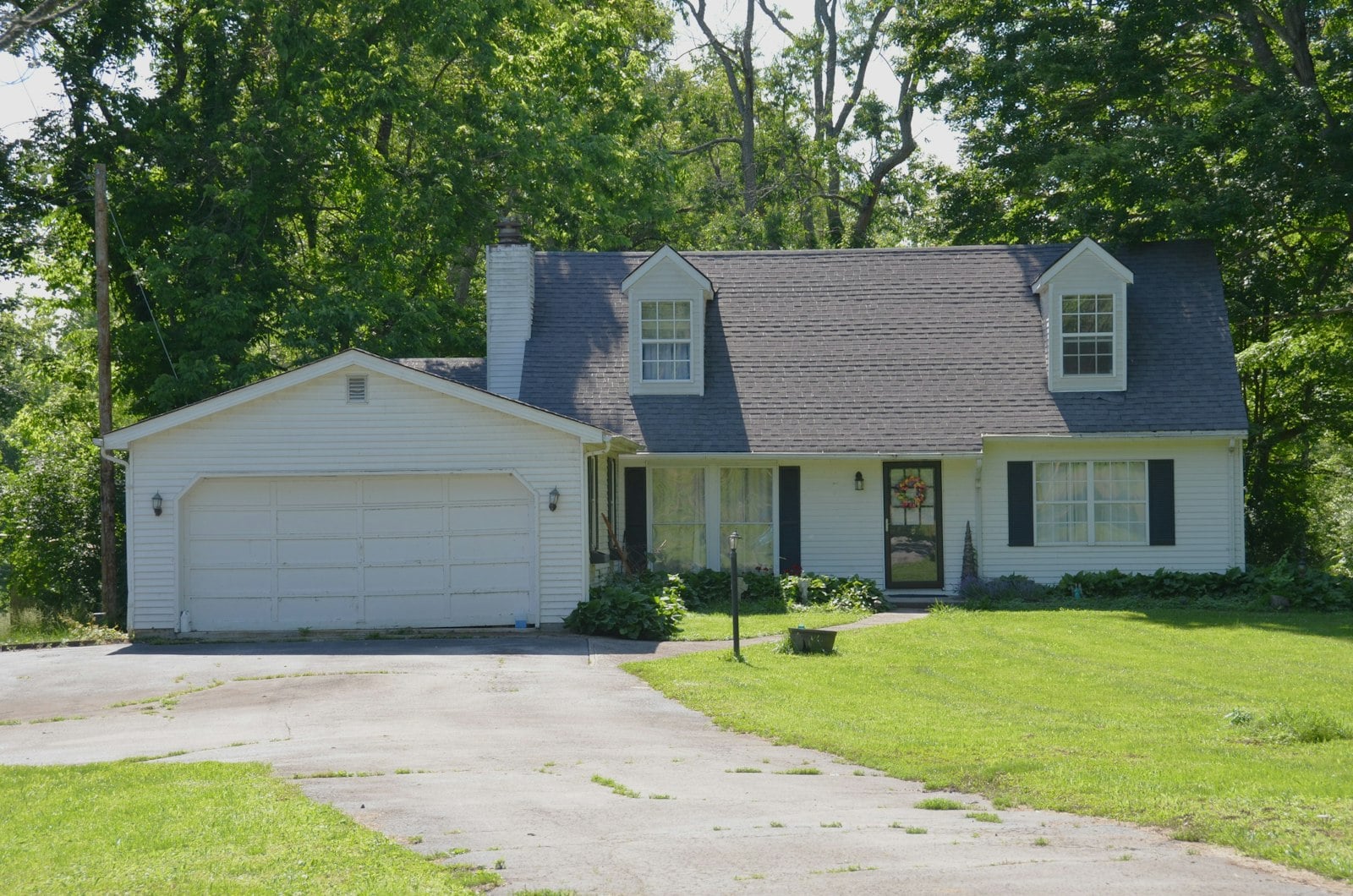
An independent provider typically works through the door, the hardware and the opener as one system. Ask for anything that needs replacing to be explained and quoted before it is fitted.
Rollers, hinges, bearings and the spring assembly are cleaned where needed and lubricated with a product suited to door hardware. Dry, gritty rollers are one of the most common reasons a door turns loud.
With the opener disconnected by the technician, the door should hold its position part way up. A door that falls or rises on its own is out of balance, which puts the load on the opener instead of the springs.
Hinges, brackets, track bolts and the opener bracket loosen as the door vibrates over the years. Each fastener is checked and tightened to the hardware it holds.
The bottom seal and the stop molding around the opening are inspected for cracking, gaps and daylight. A failed seal lets in dust, rain and insects and makes the garage harder to keep comfortable.
Travel limits, closing force and the automatic reversal are tested the way the manufacturer describes, and the safety sensors are checked for alignment. See sensor and keypad repair if a fault is found there.
Ask the provider to explain what is fine, what is wearing and what needs attention now, and to confirm the price of any repair. Springs and cables should be adjusted only by the technician, never as a task left with you.
A tune-up is diagnostic as much as preventive. If the visit turns up a stretched cable, a worn drum or a spring near the end of its life, you get the choice of doing that work at the same appointment or scheduling it separately.
Related repairs include spring repair, cable and roller repair and opener repair. If the door is old enough that several parts are due at once, our repair versus replacement guide sets out the questions worth asking.
Provider availability for maintenance varies by address, including Cibolo and the rest of our service areas.
Once a year suits most households, and more often for a door that opens many times a day or carries a heavy wood or insulated panel. An independent provider can suggest an interval after seeing how the door is used and what condition the hardware is in.
The visit itself is straightforward; the variable is what the inspection finds. Replacing rollers, a bottom seal or a bearing plate each adds parts and labor, so ask the independent provider to quote those items on site before fitting anything.
Wiping the tracks clean and applying a garage door lubricant to rollers and hinges is reasonable homeowner work. Leave the springs, cables and lifting hardware alone; those hold the weight of the door and need a technician. See spring repair for why.
No service can promise that, because springs and cables have a working life measured in cycles. What a tune-up does is find wear early, keep the opener from carrying weight it was not built for, and give you warning instead of a door stuck shut on a workday morning.
Call to describe the problem and check provider availability.