Quiet Garage Door Opener in San Antonio
A quiet garage door opener in San Antonio starts with finding where the noise comes from. A loud chain drive, a vibrating mount or worn rollers can all wake the house. Sometimes a tune-up is enough, and sometimes a belt drive or wall-mount opener is the answer. Call to be connected with a local provider.
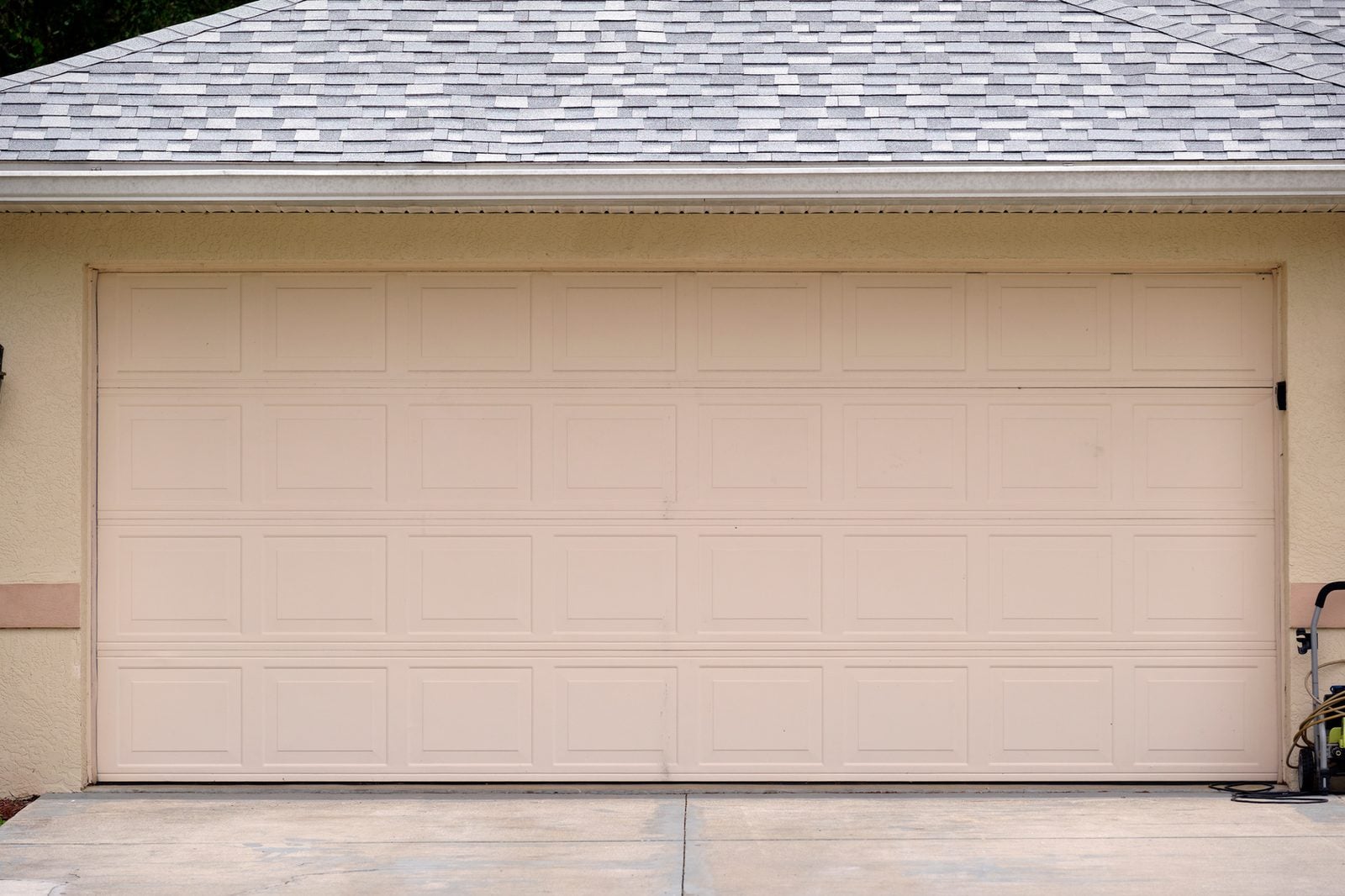
- Belt drive and wall-mount openers are usually the quietest types, while chain drive openers tend to be the loudest.
- Much of the noise often comes from the door itself, such as worn metal rollers, dry hinges or a door that is out of balance.
- A new quiet opener cannot fix a heavy, unbalanced door, so the springs and balance should be checked first.
- San Antonio averages 122.4 days a year with highs of 90°F or above, per NWS normals, which can dry out grease and add noise.
Why is my garage door opener so loud?
A garage door opener gets loud for a few common reasons: a metal chain slapping the rail, a motor bolted straight to the ceiling joists, worn drive parts, or a door that is heavy and fights the opener. In many San Antonio homes, the door hardware makes as much noise as the opener does.
Listen for the type of sound:
- Rattling or slapping. Often a loose or stretched chain on a chain drive opener.
- Humming or droning through the house. Vibration traveling from the motor into the joists and the room above.
- Grinding. Worn gears inside the opener or a dry rail.
- Squeaking or popping. Usually rollers, hinges or springs on the door, not the opener.
For door-side noises, see our guide to noisy garage door causes.
What makes a quiet garage door opener quieter than a standard one?
A quiet garage door opener is quieter mainly because of how it moves the door. Rubber belts and direct-drive designs make far less noise than metal chains. Many quiet models also use DC motors with soft start and soft stop, so the door eases into motion instead of jerking.
Features that help cut noise:
- Wall-mount (jackshaft) design. The motor sits on the wall beside the door and turns the torsion bar, so nothing hangs over the middle of the ceiling.
- DC motor with soft start and stop. Smoother, slower ramp-up at each end of travel.
Which is quieter: a belt drive, chain drive, screw drive or wall-mount opener?
Wall-mount and belt drive openers are generally the quietest choices. Screw drive openers sit in the middle, and chain drive openers are usually the loudest because metal parts move against each other. Your door, mounting and ceiling also change how loud any opener sounds.
- Chain drive. Strong and common, but it clanks and rattles, more so as the chain wears.
- Screw drive. Fewer moving parts, but a turning threaded rod can whine, and it needs grease.
- Belt drive. Smooth and quiet, a common pick when a bedroom or living space sits over or next to the garage.
- Wall-mount. Very quiet overhead and frees up ceiling space, but it needs a torsion spring system and room on the side wall.
Need help now? Call to be connected with a local provider in San Antonio who can check availability for your address.
Is the noise coming from the opener or from the garage door itself?
A simple test helps. Pull the red emergency release cord with the door fully closed, then lift the door by hand. If it still squeaks, scrapes or feels heavy, the door is the problem. If it moves smoothly and quietly by hand, the opener is likely the main source of noise.
Only do this test with the door closed, and stop if the door feels very heavy or drops when you let go. That points to a spring problem, and springs hold dangerous tension. See garage door spring repair for warning signs.
Can a tune-up make my garage door quieter without a new opener?
Yes, often. A tune-up that lubricates moving parts, tightens loose hardware, adjusts a sagging chain and checks the door's balance can quiet a lot of noise. Swapping worn metal rollers for nylon rollers is another common fix that makes a clear difference on many doors.
Things a tune-up usually covers:
- Grease on hinges, roller bearings, springs and the opener rail.
- Tightening track bolts and hinge screws.
- Door balance and the opener's force and travel settings.
Learn more on the garage door maintenance and tune-up page. If the opener is still loud after that, an upgrade may be the next step.
When does it make sense to replace a loud opener with a quiet one?
Replacing a loud opener with a quiet one makes sense when the opener is old, the drive gear or chain is worn, parts are hard to find, or noise bothers people in rooms near the garage. If the door is balanced and the opener still rattles the house, an upgrade is usually the clearer fix.
An upgrade also makes sense if the opener slams the door at each end or you want battery backup or more ceiling space.
For a look at what drives the price, read garage door motor replacement cost in San Antonio, and see garage door opener repair for repair options.
What happens during the visit?
During the visit, the provider inspects the door and opener, finds the source of the noise, explains your options, and gives a written quote before any work begins. You choose what gets done, whether that is a tune-up, new rollers or a quiet opener.
- Inspection. Opener, mounting, rollers, hinges, tracks, springs and door balance.
- Noise check. The door is run with and without the opener to pin down where the sound starts.
- Options explained. Door fixes, opener repair, or an upgrade to a belt drive or wall-mount opener, with the trade-offs of each.
- Written quote. A clear list of parts and work so you can approve or decline.
- Safety test. After approved work, the auto-reverse and safety sensors should be tested.
How does San Antonio weather affect garage door opener noise?
San Antonio's long, hot summers can make garage doors and openers louder over time. NWS normals show the city averages 122.4 days a year with highs of 90°F or above, and San Antonio tied its July record high of 107°F on July 11, 2022. Heat in a closed garage can dry out grease, so rollers, hinges and opener rails start to squeak and grind sooner.
Cold snaps play a part too. NWS normals show about 14 days a year with lows at or below 32°F, and during the February 2021 winter storm, San Antonio International Airport stayed below freezing for 4 days 12 hours.
If your new opener will connect to an alarm system or log who comes and goes, the Texas Department of Public Safety says installing that kind of opener requires a DPS license. A company that only installs standard openers, remotes and keypads does not need one.
Homeowners in Stone Oak, Schertz, Helotes, Converse and Leon Valley can call to be connected with a local provider who serves their area.
Related pages
Questions people ask
Where can I get a quiet garage door opener installed in San Antonio?
Call the number on this page to be connected with a local provider who installs quiet garage door openers in San Antonio. Mention the noise you hear and whether a bedroom sits over the garage.
What is the quietest type of garage door opener?
Wall-mount and belt drive openers are usually the quietest. A wall-mount opener sits beside the door instead of over the ceiling, and a belt drive uses a rubber belt instead of a metal chain.
Is a belt drive garage door opener really quieter than a chain drive?
Yes, in most homes. The rubber belt runs smoothly with little rattle, while a metal chain clanks against the rail, especially as it stretches with age.
My bedroom is above the garage. What kind of opener should I get?
Many people with a room over the garage choose a belt drive or wall-mount opener. Rubber isolators on the mounting bracket can also cut the hum that travels through the ceiling.
Why did my garage door opener suddenly get louder?
A sudden jump in noise often means something changed, like a loose chain, a worn gear, a dry rail or a roller that is breaking down. Have it checked before the part fails.
Can I make my chain drive opener quieter without replacing it?
Often, yes. Adjusting chain tension, greasing the rail, tightening the mounting and adding rubber isolators can help, though a chain drive will rarely be as quiet as a belt drive.
Will a quiet garage door opener fix my squeaky garage door?
Not always. Squeaks usually come from rollers, hinges or springs on the door. If the door itself is noisy, it needs attention whether or not you change the opener.
Do nylon rollers make a garage door quieter?
Yes, on many doors. Nylon rollers with sealed bearings roll more quietly than plain metal rollers. Rollers on the bottom brackets connect to cables under tension, so leave those to a trained provider.
How do I tell if my garage door is out of balance?
With the door closed, pull the release cord and lift the door halfway by hand. A balanced door stays roughly in place. If it drops or shoots up, the springs likely need adjusting by a provider.
Does the San Antonio heat make garage door openers noisier?
It can. Long hot stretches dry out grease on rails, rollers and hinges, which adds squeaks and grinding. Regular lubrication helps keep a San Antonio garage door running quietly.
Are wall-mount garage door openers worth it for a quiet garage?
For many homes, yes. They are very quiet and free up ceiling space. They need a torsion spring system and room on the wall beside the door, so a provider should confirm your garage fits.
What does soft start and soft stop mean on a garage door opener?
It means the motor speeds up and slows down gently at each end of travel, so the door moves smoothly with less banging.
What questions should I ask before getting a quiet garage door opener?
Ask which drive type fits your door, whether the door needs work first, what features are included and what the written quote covers. A clear answer to each helps you compare options.
Can I get a quiet garage door opener in Stone Oak or Schertz?
Yes. Call the number on this page to be connected with a local provider who serves Stone Oak, Schertz and other San Antonio area communities.
Is it safe to use my garage door while the opener is making a grinding noise?
Use it with care and get it checked soon. Grinding can mean worn gears or a binding door, and if the door stops, reverses or looks crooked, stop using the opener until it is inspected.
Talk to someone about your garage door problem
Call to be connected with a local provider who can check availability for your address and explain the next step.