Residential Garage Door Repair in San Antonio
Residential garage door repair in San Antonio covers the springs, cables, rollers, tracks, openers and sensors on the door at your home. Most problems show up as a door that is noisy, slow, crooked or stuck. Stop using a door that looks unsafe, and call to be connected with a local provider in your neighborhood.
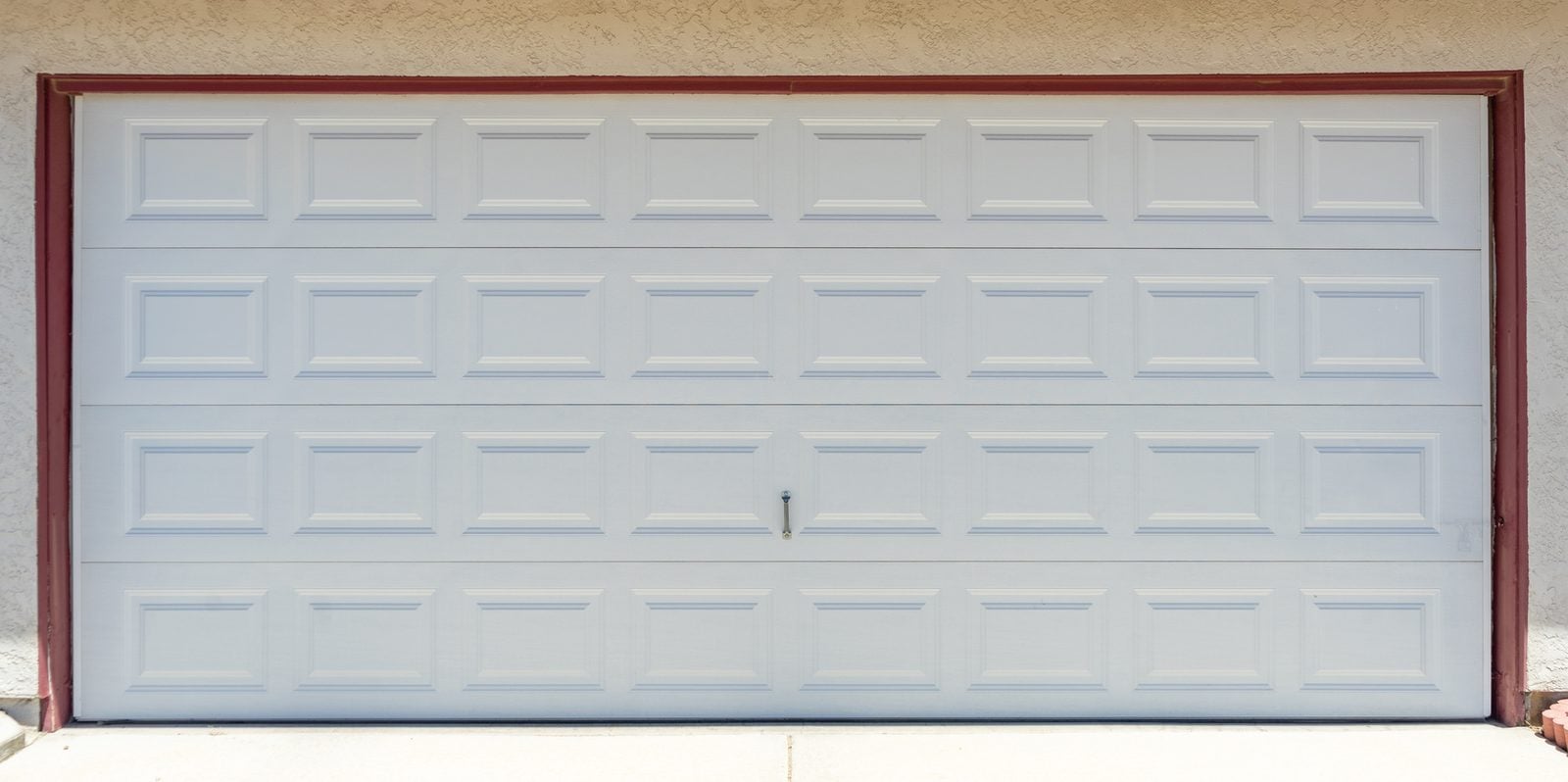
- Residential garage door repair focuses on home doors, which are lighter and run fewer cycles than commercial doors but still carry heavy spring tension.
- Broken springs, frayed cables, off-track rollers and opener faults are the most common home garage door problems.
- San Antonio averages 122.4 days a year with highs of 90°F or above, per NWS normals, which is hard on opener motors, grease and seals.
- Texas DPS says an opener tied to an alarm system, or one that logs entry, needs a DPS-licensed installer.
- A good visit starts with an inspection and ends with a written quote before any work begins.
What does residential garage door repair include?
Residential garage door repair includes any fix to the door system at a house: the door panels, the springs that lift the weight, the cables and drums, the rollers and tracks, and the opener with its remotes, keypad and safety sensors. In San Antonio, most home calls involve one worn part that is starting to affect the rest of the door.
Typical residential repairs include:
- Springs. Replacing a broken torsion or extension spring. See garage door spring repair.
- Cables and rollers. Swapping frayed lift cables or cracked rollers. See cable and roller repair.
- Tracks. Resetting a door that slipped off its track.
- Openers. Fixing a motor, gear, logic board or remote problem. See opener repair.
- Panels and seals. Replacing a dented section or a cracked bottom seal.
How is a home garage door different from a commercial door?
A home garage door is usually a sectional door that opens a few times a day, while a commercial door often rolls up and runs many cycles every shift. That means residential parts are sized for lighter use, but home doors still hold enough spring tension to cause serious injury if handled wrong.
Other differences that matter for repair:
- Home doors often share a wall with the house, so noise and vibration matter more.
- Many home openers connect to phones, car buttons and keypads, so a repair may include reprogramming.
- Home doors are often the main way the family enters the house, so a stuck door is a daily problem, not just a work problem.
If you own a shop or warehouse door, the commercial garage door repair page covers that side.
What are signs my home garage door needs repair soon?
Your home garage door needs repair soon if it opens unevenly, makes new grinding or banging sounds, reverses for no reason, or feels very heavy when you lift it by hand. These signs usually point to a worn spring, a loose cable or a sensor problem that tends to get worse with use.
Watch for:
- A gap in a torsion spring above the door.
- A cable that looks frayed or loose near the bottom brackets.
- Rollers that wobble or have popped out of the track.
- An opener that hums but does not lift the door.
- Daylight showing under one side when the door is closed.
Need help now? Call to be connected with a local provider in San Antonio who can check availability for your address.
Is it safe to keep using my garage door when something seems wrong?
It is safest to stop using a garage door that is crooked, jerking or making loud new sounds until it is checked. A door that is out of balance can drop fast, and the opener may pull it harder and damage more parts. Leave the springs and cables alone, since they hold heavy tension.
If the door is closed and stuck, it is usually safer to leave it closed. If it is open and will not come down, keep people and pets clear of it, and call to be connected with a local provider.
Do I need repair or a garage door maintenance service?
If the door still works but is noisy, slow or stiff, a garage door maintenance service may be enough. If a part is broken, bent or frayed, you need a repair. In San Antonio homes, a tune-up often catches worn rollers, dry hinges and weak springs before they fail.
A maintenance visit usually includes lubricating moving parts, tightening hardware, checking spring balance, testing the auto-reverse and sensors, and looking over the cables. The maintenance and tune-up page explains more.
When should I repair my home garage door instead of replacing it?
Repair usually makes sense when the door panels are in good shape and the problem is a single part like a spring, cable, roller or opener. Replacing the door is worth weighing when several panels are damaged, the door is badly rusted, or parts for an older model are hard to find.
Ask the provider to explain both options in plain words. The repair vs. replacement page walks through the trade-offs.
What happens during the visit?
A residential garage door visit starts with an inspection of the whole door system, not just the part you noticed. The provider should look at the springs, cables, rollers, tracks, opener and sensors, then explain what they found and what your options are.
- Inspection. The door is run, balanced by hand if safe, and checked for worn or broken parts.
- Options explained. You hear what needs repair now, what can wait, and whether a tune-up would help.
- Written quote first. You get a written quote before any work starts, so you can decide without pressure.
Ask questions about anything that is not clear, and keep a copy of the quote for your records.
Who should I call for residential garage door repair in San Antonio?
For residential garage door repair in San Antonio, call the number on this page to be connected with a local provider who works on home garage doors in your area. Have a few details ready: what the door is doing, the opener brand if you know it, and whether the door is open or closed right now.
A photo of the springs and cables can help the provider understand the problem when you talk.
How does San Antonio weather affect home garage doors?
San Antonio weather puts steady stress on home garage doors. NWS normals show the city averages 122.4 days a year with highs of 90°F or above, and San Antonio tied its July record high of 107°F on July 11, 2022. Heat inside a closed garage can dry out grease, stiffen bottom seals and make opener motors work harder.
Cold matters too. NWS normals show about 14 days a year with lows at or below 32°F, and during the February 2021 winter storm, San Antonio International Airport stayed below freezing for 4 days 12 hours. Cold can make seals brittle and slow down an opener that is already weak.
If your opener connects to an alarm system or logs who comes and goes, the Texas Department of Public Safety says installing that kind of opener requires a DPS license. A company that only installs standard openers, remotes and keypads does not need one.
Homeowners in Alamo Heights, Helotes, New Braunfels, Cibolo, Converse and Leon Valley can call to be connected with a local provider who serves their neighborhood.
Related pages
Questions people ask
Who does residential garage door repair near me in San Antonio?
Call the number on this page to be connected with a local provider who handles residential garage door repair in San Antonio. Tell them what the door is doing and which neighborhood you live in.
What counts as residential garage door repair?
Residential garage door repair is any repair to the garage door at a house in San Antonio, including springs, cables, rollers, tracks, panels, seals and the opener. It does not cover large roll-up doors at businesses, which are handled as commercial work.
Why does my garage door open partway and then stop?
A San Antonio garage door that stops partway often has a weak spring, a binding roller or an opener force setting that is off. Stop using it and have the door balance checked before the opener strains more.
Why is my garage door crooked when it closes?
A crooked garage door usually means one lift cable has slipped or broken, or one side is off its track. In San Antonio homes, this is a sign to stop using the door and call to be connected with a local provider.
What does a garage door maintenance service do for a house?
A garage door maintenance service lubricates moving parts, tightens hardware, checks spring balance and tests the safety sensors on a home door. In San Antonio's heat, it can help catch dried-out rollers and seals early.
How often should a home garage door get a tune-up in San Antonio?
Many San Antonio homeowners schedule a garage door tune-up about once a year, or sooner if the door gets noisy or slow. Doors that run many times a day may need it more often.
Can I lubricate my own garage door between service visits?
Yes, you can lightly lubricate the hinges, rollers and opener rail on your San Antonio garage door with a product made for garage doors. Do not loosen or adjust springs, cables or bottom brackets.
Why does my garage door feel so heavy when I lift it by hand?
A garage door that feels very heavy by hand usually has a weak or broken spring. In San Antonio homes, a balanced door should lift with modest effort, so a heavy door needs to be checked.
Is a garage door that goes back up before closing a sensor problem?
Often, yes. A San Antonio garage door that reverses before closing is often caused by dirty or misaligned safety sensors near the floor, though a force setting or an obstruction can also cause it.
What should I do if my garage door is stuck open at night?
If your San Antonio garage door is stuck open, keep people, pets and cars clear of it and do not force it down. Call to be connected with a local provider and explain that the door will not close.
Can a garage door opener problem be fixed without replacing the whole opener?
Often, yes. Many San Antonio opener problems come from one part, like a stripped gear, a bad logic board or a worn drive, and a provider can tell you whether a part or a new opener makes more sense.
Do residential garage door repairs need a permit in San Antonio?
Permit rules vary by city, so check with the City of San Antonio or your suburb if you are unsure. Ask the provider during the visit whether your job needs one.
Does my HOA have rules about garage door repairs?
Some HOAs in the San Antonio area have rules about garage door color, style or panel design. Check your HOA guidelines before replacing panels or the whole door.
What details should I share when I call about my home garage door?
When you call about a San Antonio home garage door, share what the door is doing, the noise you hear, whether it is open or closed, and the opener brand if you know it. Photos of the springs and cables help too.
Can residential garage door repair be done in Alamo Heights or Helotes?
Yes. Homeowners in Alamo Heights, Helotes and other San Antonio area neighborhoods can call the number on this page to be connected with a local provider who serves their area.
Is residential garage door repair worth it on an older door?
Residential garage door repair is often worth it on an older San Antonio door if the panels are solid and only one or two parts are worn. If several panels are damaged or parts are hard to find, ask about replacement too.
Why does my home garage door shake or jerk while moving?
A San Antonio garage door that shakes or jerks often has worn rollers, a dry or bent track, or a spring that is losing strength. Have it checked before the problem spreads to the opener.
What should a written quote for residential garage door repair include?
A written quote for residential garage door repair in San Antonio should list the parts, the work to be done and the total before work begins. Ask what is needed now and what can wait.
Talk to someone about your garage door problem
Call to be connected with a local provider who can check availability for your address and explain the next step.